
Six Zero Coral Pro Review
More Spin, More Firepower, and a Rare Tier 1 Surface
June 14, 2026
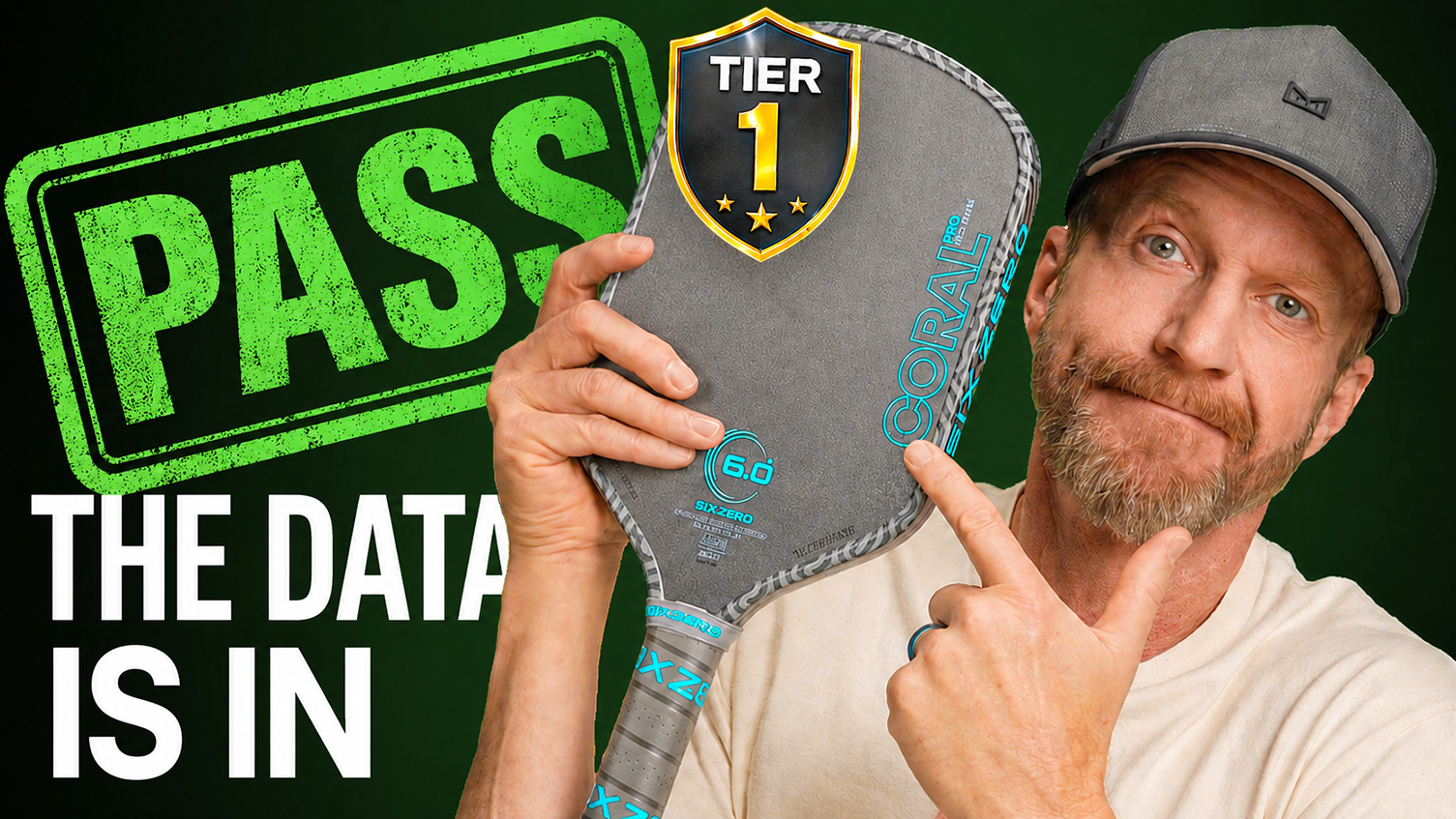
Last year, the original Six Zero Coral became one of the easiest paddles for me to recommend.
It offered a compelling mix of feel, balance, forgiveness, spin durability, and value. While it wasn't the most powerful paddle on the market, it did a lot of things well and avoided any major weaknesses.
There was just one area where it started to fall behind.
As companies continued pushing the limits of durable spin technology, the Coral's original Diamond Tough Grit no longer sat at the very top of the leaderboard. The paddle still generated good spin and held onto that spin better than most raw carbon fiber surfaces, but newer technologies from brands like Honolulu, Spartus, and 11SIX24 had begun raising the bar.
Enter the Coral Pro.
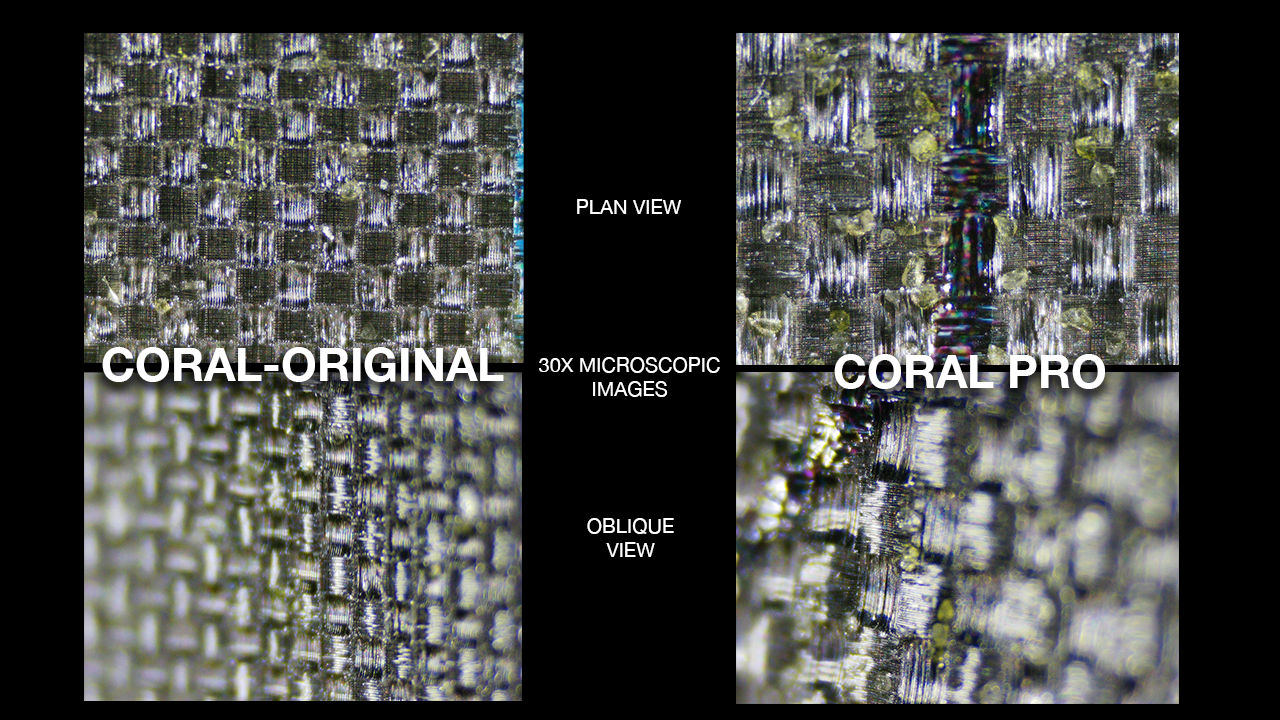
Rather than redesigning the entire paddle, Six Zero focused on the area that mattered most: the surface. The result is a UPA-A approved version of the Coral that delivers more spin, better spin retention, and a little extra firepower while preserving much of what made the original so successful.
The question is whether those improvements are meaningful enough to justify the upgrade.
Bottom Line
The Coral Pro isn't a completely new paddle.
It's a better version of the Coral.
The enhanced Diamond Tough Grit generates elite spin, appears to retain that spin exceptionally well, and adds a little extra offensive capability without fundamentally changing the paddle's balanced, approachable personality. For players who care about long-term spin retention, this is one of the most compelling releases of the year.
Pros
Elite spin performance
Tier 1 spin durability
More offensive than the original Coral
Balanced power and pop profile
Excellent maneuverability across all three shapes
Highly customizable thanks to moderate stock weights
Cons
UPA-A approved only
$20 more expensive than the original Coral
Elongated shape is less forgiving than some high-twist-weight competitors
What's New with the Coral Pro?
At first glance, not much.
The Coral Pro is available in the same Elongated, Hybrid, and Widebody shapes as the original Coral. Dimensions, handle lengths, and overall balance profiles remain essentially unchanged. If you put the two paddles side by side, you'd be forgiven for assuming Six Zero simply made the surface rougher and called it a day.
But after testing them back-to-back, that's not what happened.
The Coral Pro generates more spin, retains that spin better, and feels slightly different on court. It also picks up a little extra firepower. None of those changes are dramatic individually, but together they create a noticeably improved paddle.
Technology and Construction
Internally, the Coral Pro remains very familiar.
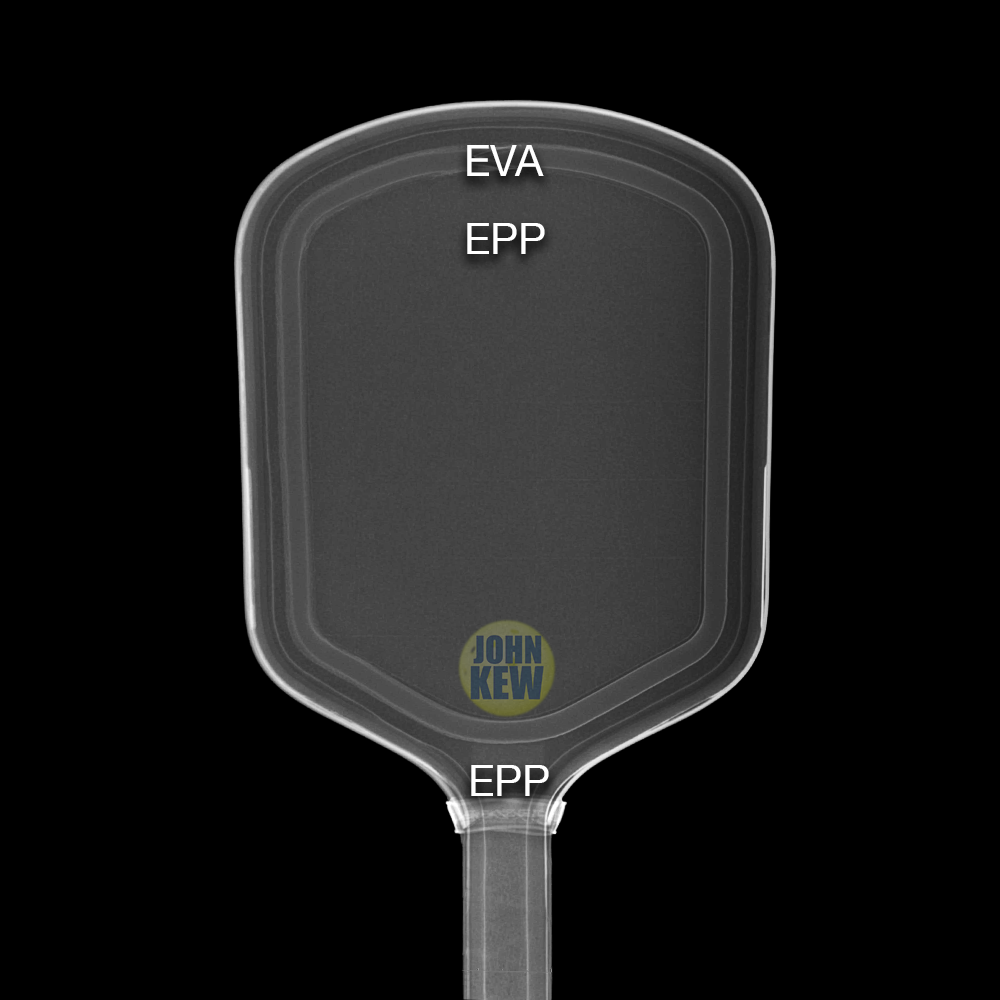
The paddle uses the same EPP center core surrounded by a floating EVA foam band. Another ring of EPP foam wraps around the perimeter and extends into the handle, while carbon fiber reinforcement strips at 4 and 8 o'clock help improve stability. The Tectonic Core architecture remains intact, using engineered cuts within the EPP foam to increase pocketing and dwell time.
In other words, Six Zero didn't reinvent the paddle.
The real story is the surface.
According to Six Zero, the Coral Pro uses a more aggressive peel-ply texture infused with roughly twice the diamond dust of the original Coral, including larger diamond particles. The goal was straightforward: increase spin and improve durability. Based on my testing, they accomplished both.
Performance Overview
Across all three shapes, the Coral Pro follows a similar performance profile.
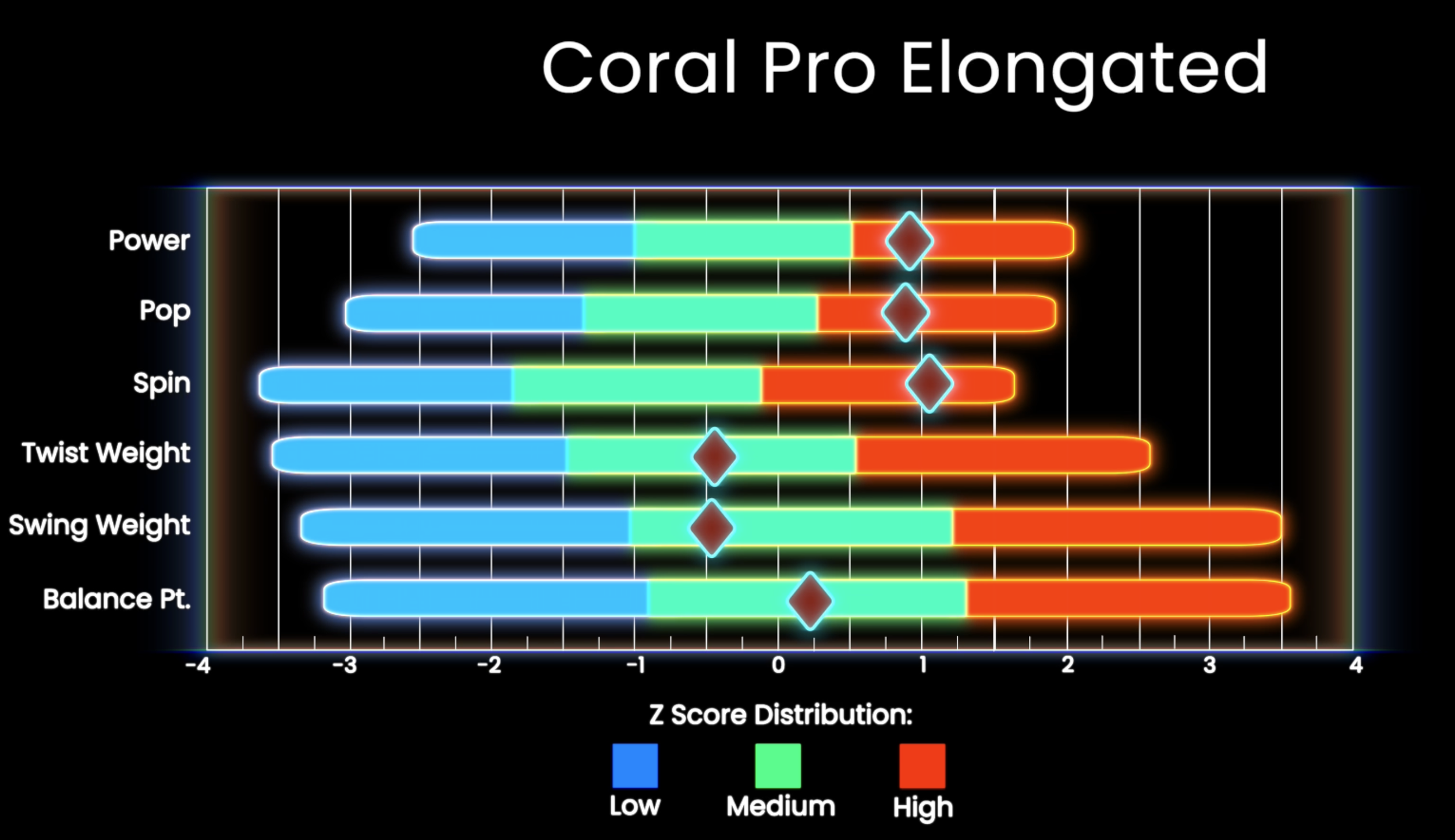
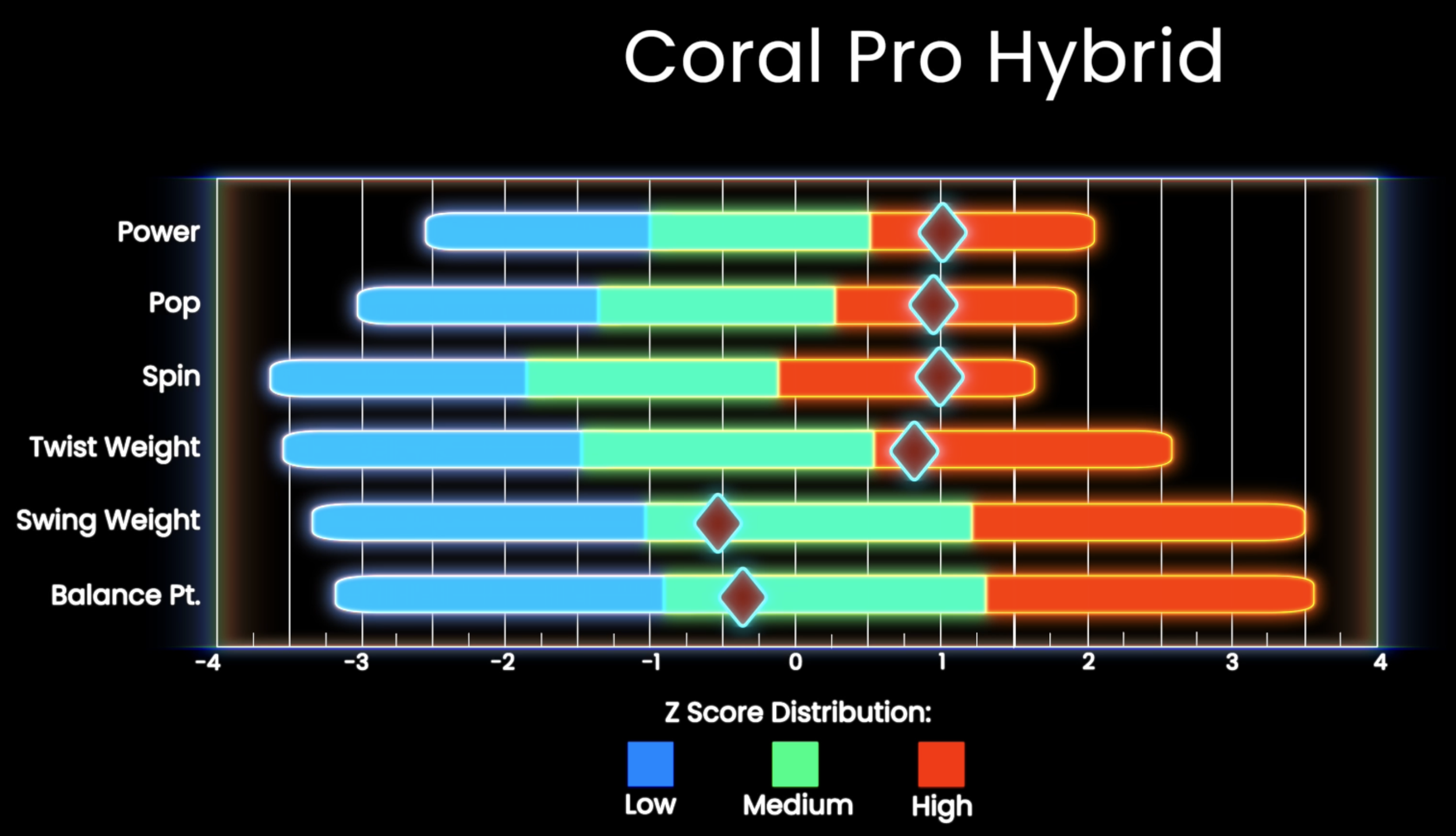
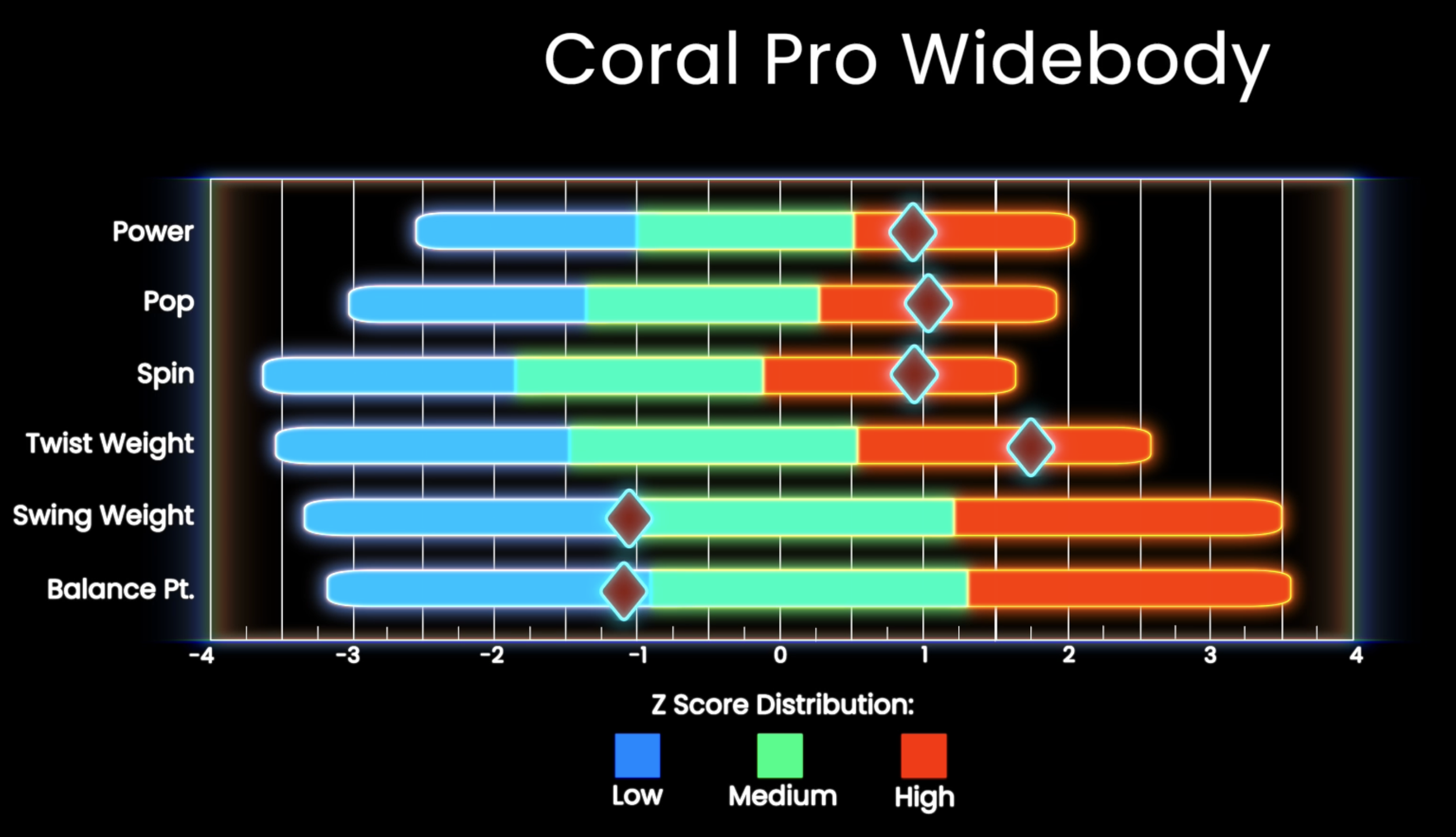
Power and pop both sit in the lower end of the High range, creating a balanced offensive experience. Rather than feeling overly power-focused or excessively poppy, the paddle maintains a blend of both. Spin is elite, and maneuverability remains one of the paddle's strengths.
Elongated
The elongated model offers excellent hand speed for its shape thanks to moderate swing weight, twist weight, and balance point values. The trade-off is slightly less forgiveness than some of the most stable elongated paddles currently available.
Hybrid
The Hybrid is the standout of the lineup.
It preserves the maneuverability of the elongated shape while adding meaningful stability and forgiveness through a higher twist weight. For many players, this will likely be the sweet spot in the Coral Pro family.
Widebody
The Widebody is the easiest version to play with.
It combines elite spin with excellent twist weight, low swing weight, and a low balance point. The result is a paddle that feels exceptionally quick in hand while remaining highly forgiving across the face.
KewCOR Results
The Coral Pro firmly lands in the Power category.
Elongated: 0.410
Hybrid: 0.413
Widebody: 0.413

For context, these numbers place the Coral Pro in similar territory to paddles like the Honolulu CR series and the Selkirk OMNI. Compared to the original Coral, the Pro is noticeably more offensive. Not dramatically so, but enough that most players should feel the difference.
Spin Durability: The Real Story
This is where the Coral Pro separates itself.
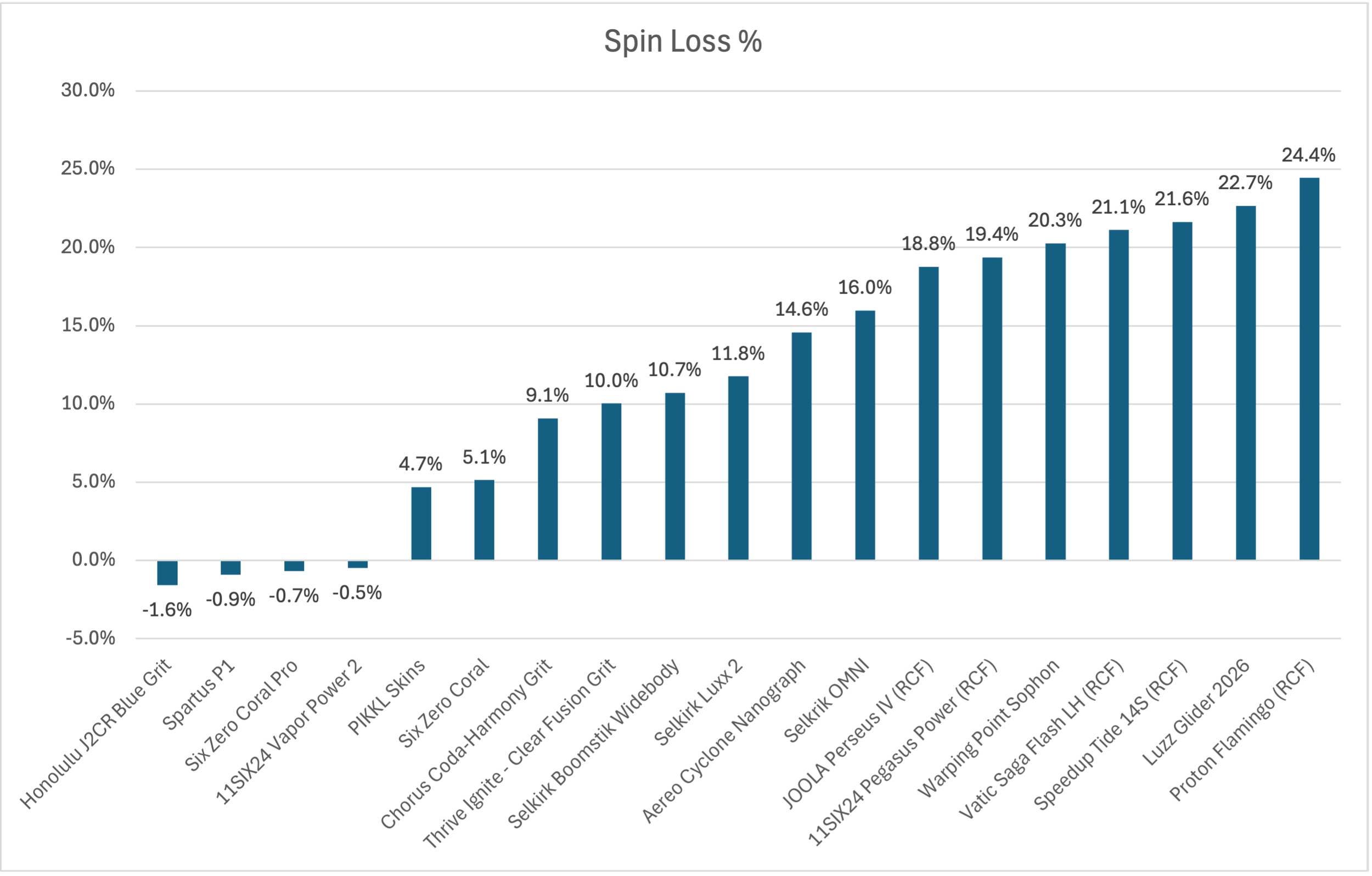
My accelerated wear testing categorizes surfaces into four durability tiers:
Tier 1: No measurable spin loss
Tier 2: Approximately 5% loss
Tier 3: Approximately 10% loss
Tier 4: 20% or greater loss
Historically, raw carbon fiber has been viewed as the gold standard for spin generation. The problem is that most raw carbon fiber surfaces lose that spin relatively quickly, often landing in Tier 4.
The Coral Pro performed differently.
After establishing a baseline spin measurement, I subjected the paddle to 100 high-speed impacts in the exact same location and then repeated the spin test.
The result?
No measurable spin loss.
In fact, spin increased slightly by 0.7%, likely because the peel-ply epoxy wore away and exposed more of the embedded diamond particles. Surface roughness remained essentially unchanged as well.
That places the Coral Pro in Tier 1, joining a very small group of surfaces that currently includes Honolulu Blue Grit, Spartus PermaGrit, and 11SIX24 HexGrit. The original Coral landed in Tier 2, which is still impressive, but the Pro starts with more spin and appears to retain it even better.
On-Court Impressions
The lab results matched my experience surprisingly well.
The first thing I noticed was the increase in firepower.
The Coral Pro isn't suddenly a cannon, but drives have a little more pace, punch volleys carry a little more weight, and putaways are easier to finish. The offensive bump is real without dramatically changing the paddle's identity.
The feel also changed.
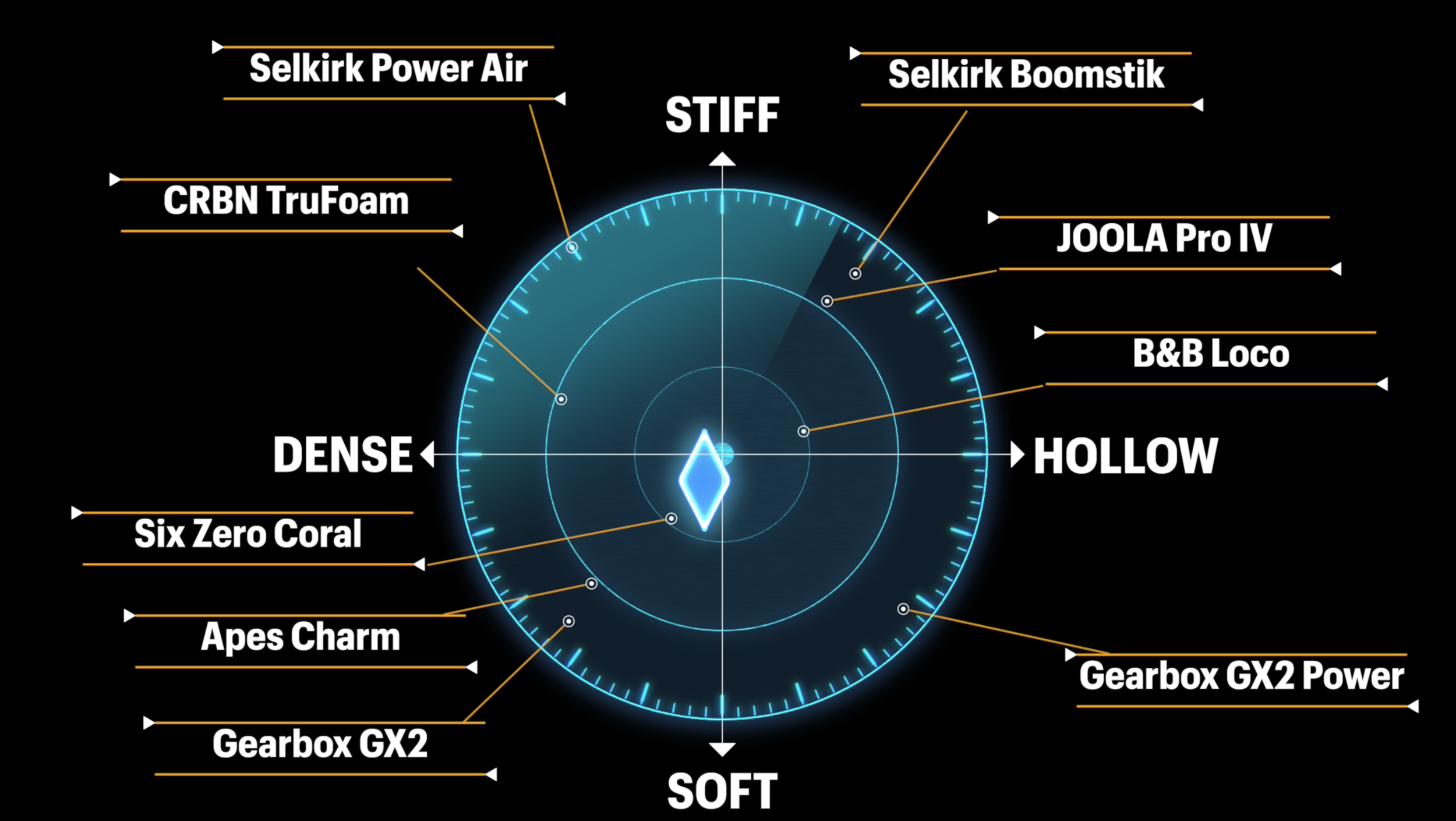
The original Coral lived comfortably in the soft-dense quadrant of my Feel Map. The Coral Pro moves closer to center. It feels slightly crisper and a bit hollower, though not enough to alienate players who enjoyed the original.
The spin improvement is noticeable as well.
I felt the biggest difference on finesse shots such as drops, roll volleys, topspin dinks, and slice dinks. The surface seems to grab the ball more easily, making it easier to shape shots without having to work as hard to create spin.
What impressed me most is that Six Zero achieved these gains without turning the paddle into an overly poppy control challenge.
Many power-oriented paddles sacrifice consistency in the pursuit of offense. The Coral Pro doesn't. It remains powerful, but power and pop stay balanced enough that control never felt compromised.
Recommended Shape
If I were buying one Coral Pro, I'd choose the Hybrid.
It offers the best balance of reach, stability, maneuverability, and forgiveness. The elongated model is a great option for players prioritizing reach, while the Widebody delivers maximum forgiveness. But the Hybrid strikes the most complete balance of the three.
Customization Potential
All three shapes begin with relatively moderate swing weights and balance points, making them excellent candidates for customization.
The elongated benefits significantly from perimeter weighting, the Hybrid responds particularly well to weight at 3 and 9 o'clock, and the Widebody becomes exceptionally forgiving with modest weight additions higher on the face. Because none of the paddles start overly heavy, players have plenty of room to tailor them to their preferences.
Final Verdict
Six Zero set out to improve the Coral, and that's exactly what they accomplished.
The Coral Pro generates more spin, retains that spin at an elite level, and adds a little extra firepower while preserving the balanced performance profile that made the original so easy to recommend.
The only significant caveat is certification. The Coral Pro is UPA-A approved only. Players who need USAP approval will need to look elsewhere, including the original Coral.
At $220 retail, the Coral Pro costs $20 more than the original Coral. Given the improvements in both spin performance and spin durability, I think that's a reasonable premium.
My biggest takeaway is simple:
The original Coral was an easy paddle to recommend. The Coral Pro is even easier. Especially for players who care about long-term spin retention.