
Johnkew Newsletter · June 29, 2026 · 9 min read
The $99 Spartus Spitfire + Our New Paddle Comparison Lab
And the return of Proton's NanoTac, plus a new tool that turns the sweet spot into a line on a chart.
Get this in your inbox every week
Gear news and lab data, before it hits the site.
Pickleball News
Our Thoughts on MLP
We have been watching a lot of Major League Pickleball. The team format creates energy and chemistry you do not get from singles or regular doubles, the bro cam with Gabe and Hayden is fantastic, and lower ranked players rising to the moment is a genuine joy. What holds us back: there is no real city loyalty when rosters churn through trades, extended body bagging gets old fast, the six hour weekend commitment is a lot, and PPA triple gold is still the trophy players covet most. MLP is young and city loyalty could grow, but for now we lean PPA as the premier event. One gear note: full foam is quietly expanding on tour, with pros like Tama Shimabukuro testing it, and Pickleball Studio tracking men's adoption now past 50 percent.
New Paddle Comparison Lab
The website got a big upgrade: a rebuilt database, spin tier filters, high resolution paddle images for grit study, and the new Comparison Lab. The lab puts two paddles side by side and shows spin RPM and tier, z-scores for spin, power, and pop, power, feel, firepower, serve speed, and the KewCOR number, a price comparison, and the KewCOR Surface Map. KewCOR is my controlled firepower metric, and the Surface Map plots it down the center of the face. A flat curve means a big, forgiving sweet spot; a tall spike means a hot spot with a tighter window. The database is over 400 paddles, with 150 plus carrying Surface Map data.
Open the Paddle Comparison Lab →Paddles of the Week
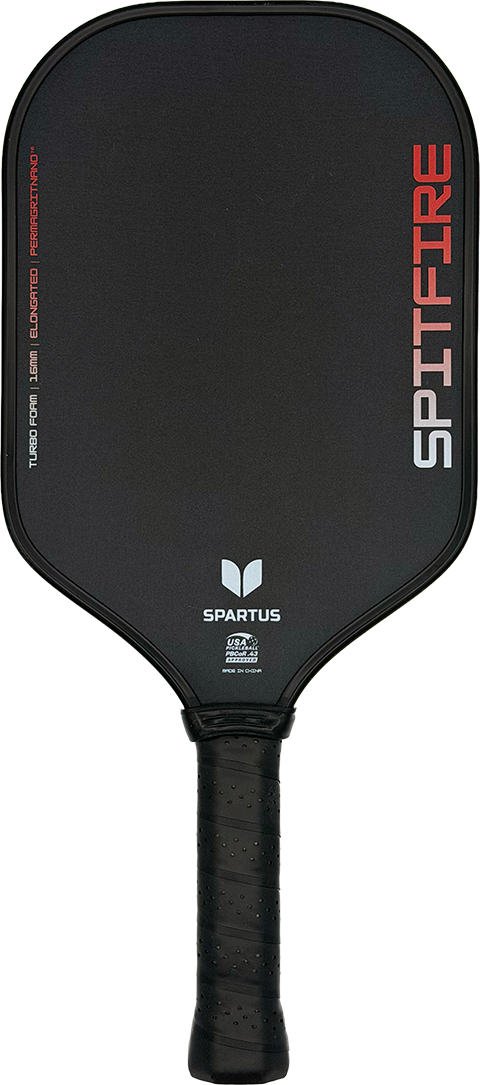
The Spartus Spitfire: A $99 Paddle That Plays Like a Flagship
99 dollars after code, 7.8 oz, 117.8 swing weight, 6.14 twist weight, full foam, USAP approved, launching in July. It has a broad sweet spot, mid range firepower, and a mellower sound, with muted pop that keeps it controllable. The build mixes foam densities with an EVA band and 3 gram internal weights at 9 and 3. The surface is PermaGritNano, a peel ply based formulation with excellent grip and spin when new. The prototype tested Tier 3 for spin durability, and the manufacturer reformulated for production, so durability is still a promising unknown, but Tier 3 already beats raw carbon fiber, which is exceptional at this price. Full lab data is in my Spartus Spitfire review.
 Photo
Photo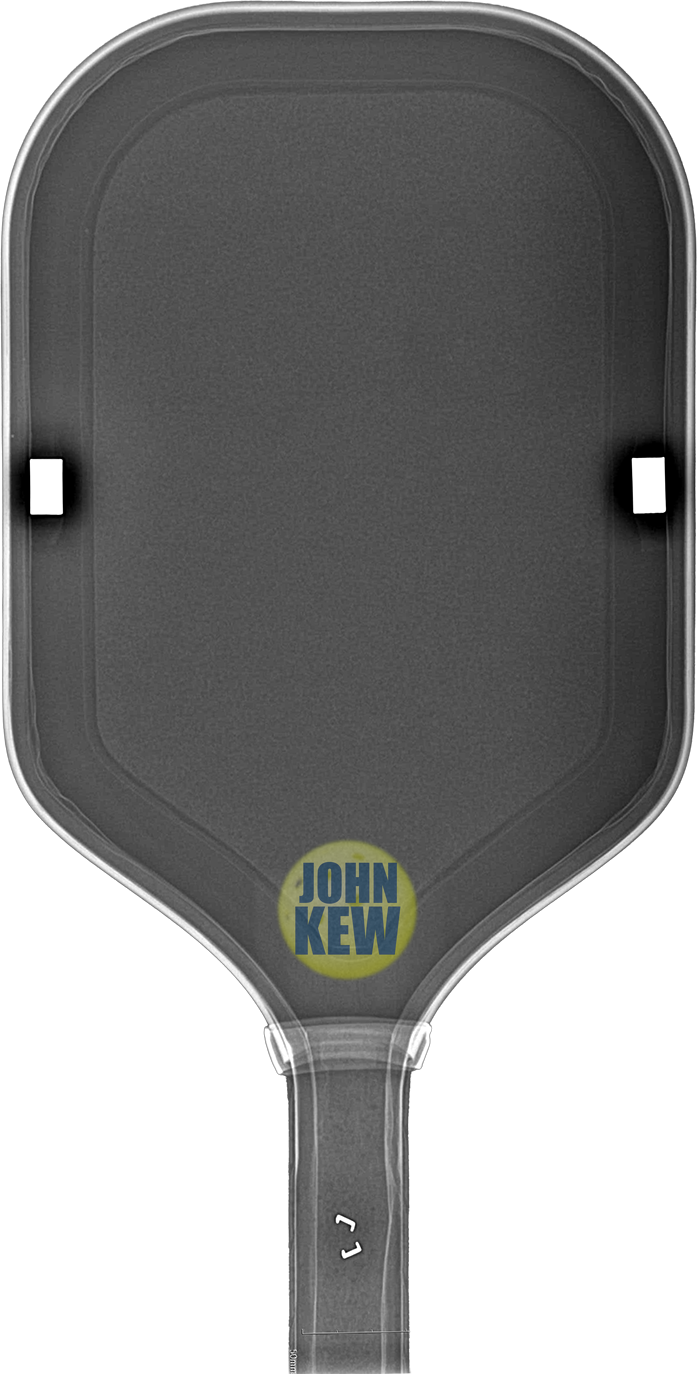 X-ray
X-rayProton's NanoTac Is Back, and It Is Weird in a Good Way
Two unnamed Gen 4 prototypes bring the NanoTac surface back to its roots. The EPP version is lighter and bluish at 7.88 oz, 117.1 swing weight, 6.1 twist weight; the MPP version is red at 7.77 oz, 114.9 swing weight, 6.03 twist weight. Both run a 5.5 inch handle, up from 5.25, a 15mm core, and an expected price of 250 to 300 dollars, not final. Stock, both play harsh and under forgiving with a thin vibration, but adding 5 to 6 grams of perimeter weight per side transforms them: the buzz disappears, forgiveness shows up, and power climbs. Spin is elite, and the original NanoTac actually gained 12 percent spin after wear. The trade off is a high launch angle that wants you to close the face. Neither is certified yet, and the price sits at the top of the market.
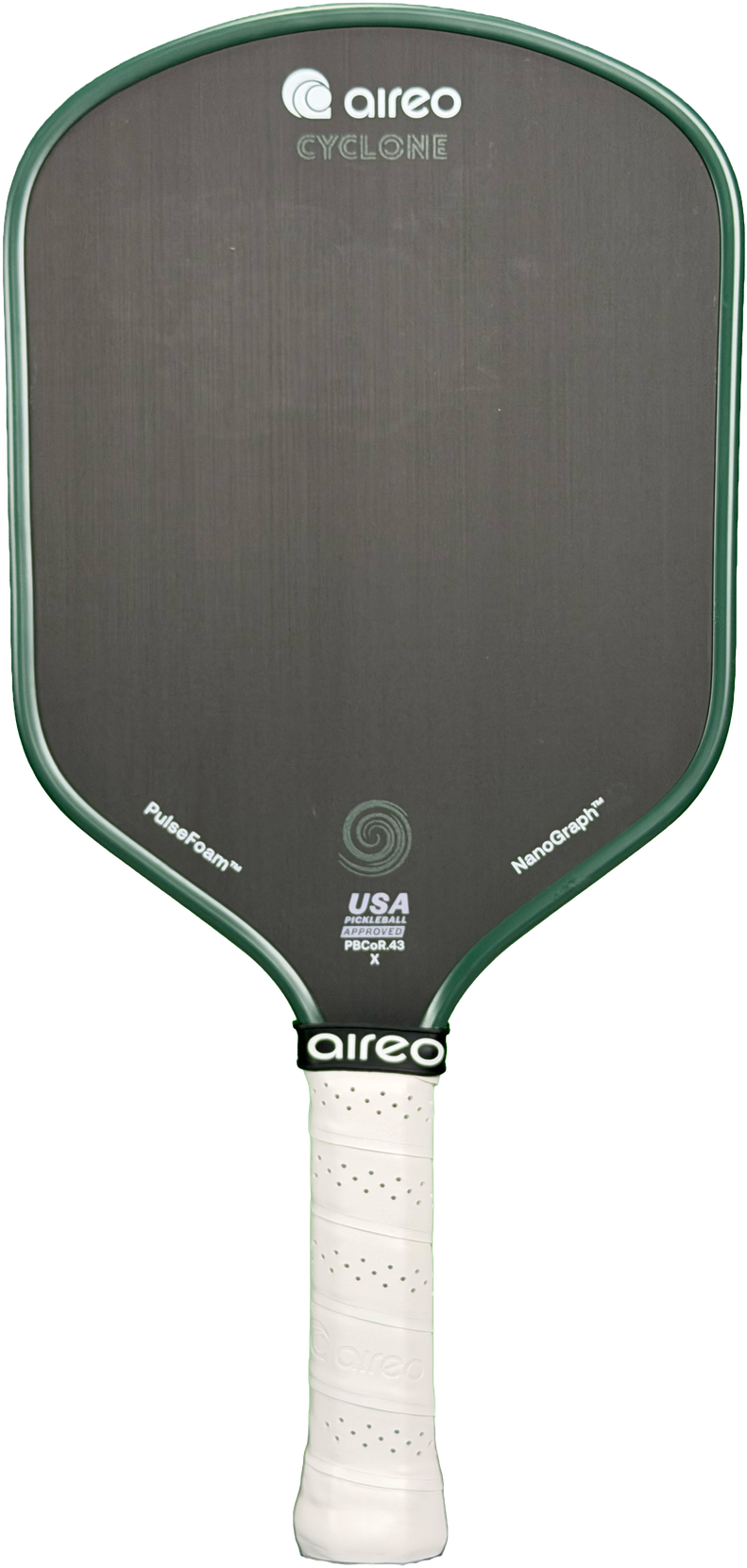
Aireo Cyclone Hybrid: Harsh Until You Tame It
A UPA-A only blacked out paddle with aggressive texture that stays under the 2,100 direct spin limit. 179 dollars after code, 7.7 oz, 106.6 swing weight, 6.75 twist weight, Gen 4 full foam with an MPP center, an EVA border, and weighting at 9 and 3. Stock it is tight, reactive, and stiff with minimal dwell. Adding 7.5 gram pickle clips per side smooths the face, softens the response, and pushes twist weight past 7 while keeping it maneuverable. It is less powerful than the Cyclone Elongated, KewCOR 0.405 versus 0.421. Good for someone who wants a stiff blacked out paddle with aggressive grit and is willing to tune.
 Photo
Photo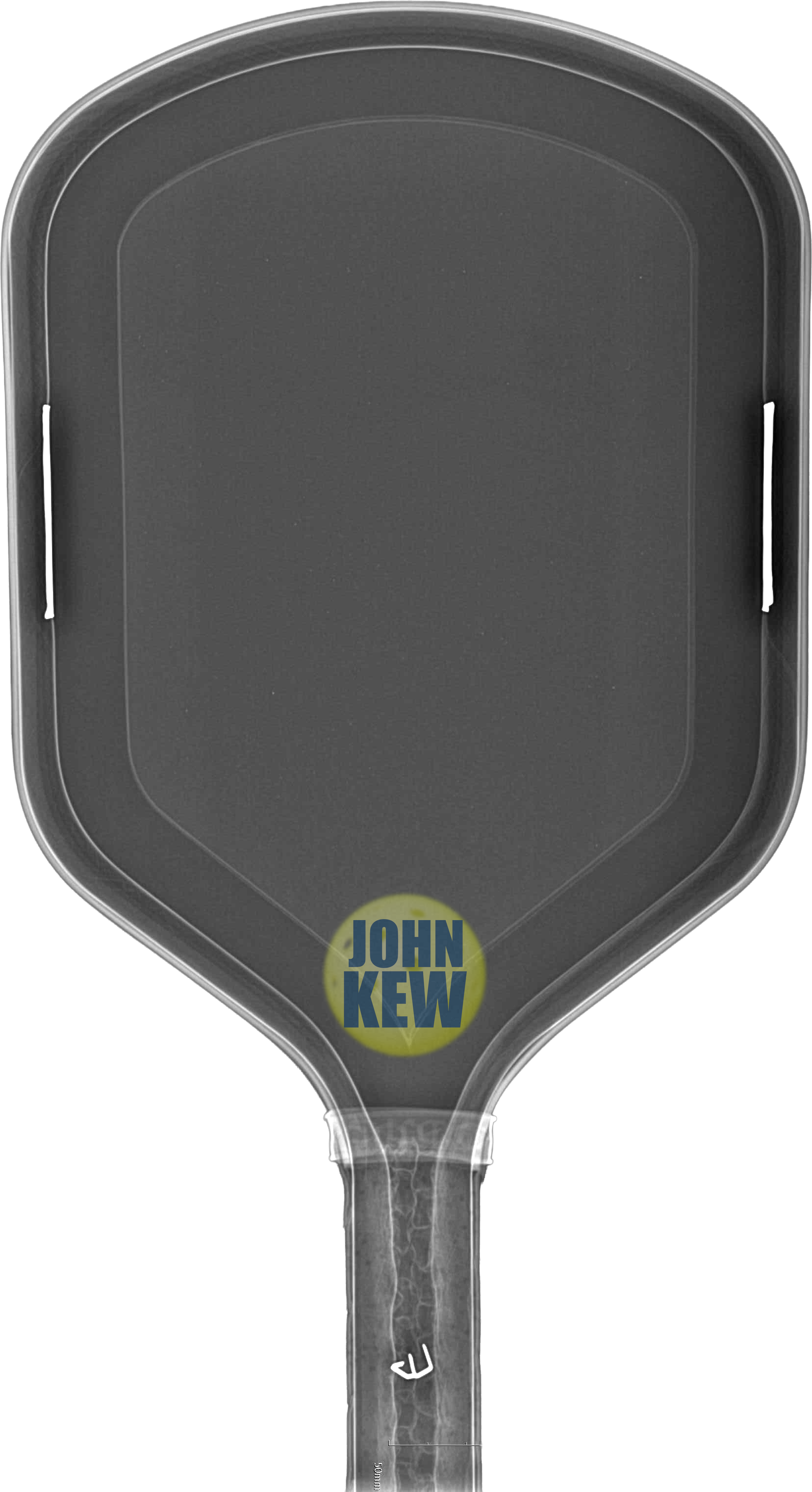 X-ray
X-raySpartus P1 Widebody: The Easy-Mode Pick
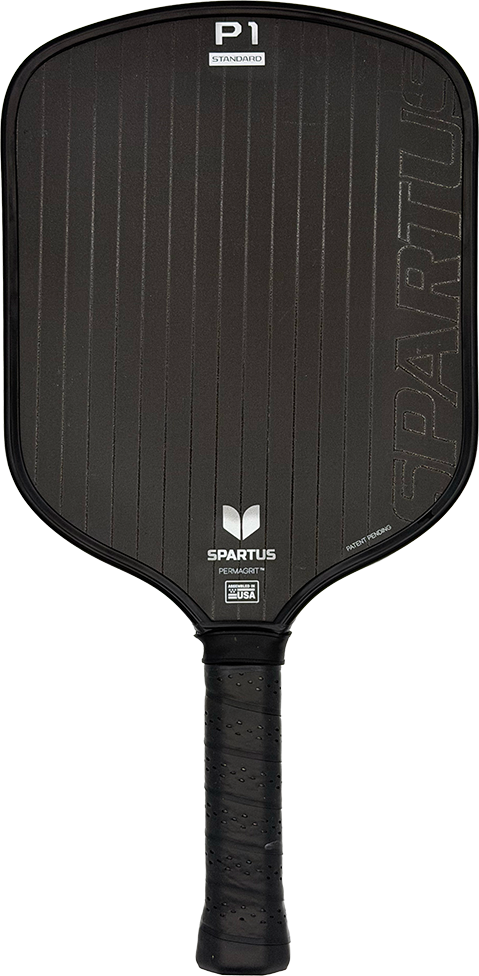
198 dollars after code, 8.13 oz, 110 swing weight, and a 7.3 twist weight that is exceptionally high for a widebody, paired with a manageable swing weight, so it plays dialed in with no modification. It is massively forgiving, and the durable PermaGrit is Tier 1, with zero ball dust shedding after ball machine sessions across six ball types. Among the P1 shapes, the widebody is the standout, controllable and all court leaning among durable grit options.
 Photo
Photo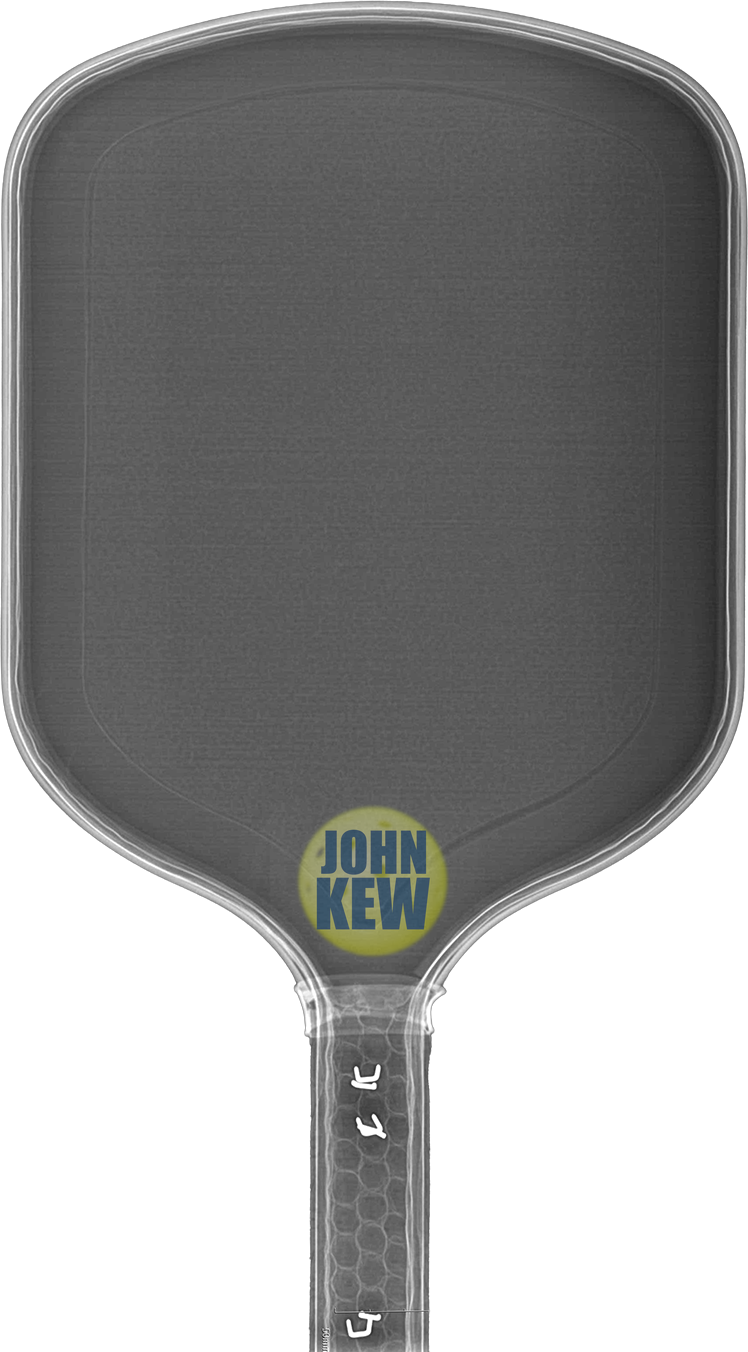 X-ray
X-rayDeep Thoughts With John & Eddie
Why You Have to Be Willing to Lose
Working with a sports psychologist showed me how much the fear of looking foolish keeps you from playing to your potential. Teddy Roosevelt's Man in the Arena is the frame: the credit belongs to the person actually in the arena who dares and falls short, not the critic on the sideline. On the court that means surrendering ego. Every skill has an ugly phase; learning the third shot drop meant drilling while looking unskilled. Play against Ben Johns, hit right at him, and lose, and you will learn far more than if you just poke at his weaker partner.
Eddie's add: survivorship bias. WWII statistician Abraham Wald showed that reinforcing the bullet holes on returning bombers was exactly wrong, because the planes hit elsewhere never came back. In pickleball, do not only copy the winning players and paddles. Study the competitive players who take champions to five, and the under the radar paddles with real tech and no marketing budget. Both ideas converge: your worst losses carry the data you are missing.
Kew & A
Does Adding Perimeter Weight Change the Feel-Wheel Numbers?
Absolutely. Perimeter weight deepens the tone and pushes a paddle toward the hollow side of the feel wheel. A 7.5 gram weight at 9 and 3 moved a demo paddle noticeably deeper and more hollow. Every feel wheel value I publish is a stock number, so read it alongside swing weight and the radar charts rather than as fixed destiny. Weight is a trade off, not a free upgrade: it usually softens feel, but it can complicate a stiff hollow paddle.
Does a weighted end cap change swing weight or twist weight?
Mostly no. A heavier end cap or slice cap mainly shifts the balance point and the vibration nodes. Swing weight sometimes ticks up about a point, which is largely a measurement artifact from the cap extending length. Twist weight does not move, because the cap sits on the center axis. If you are chasing forgiveness through twist weight, the handle is the wrong place to add it. End caps change feel by shifting the vibration nodes under your hand.
What's Up Next
Production Spartus Spitfire spin durability testing will tell us if it is the value champion. The KewCOR Curves are expanding to measure side to side consistency, accounting for how a paddle twists on lateral off center hits. And the feel wheel is coming to the website, subjective placements first, measured numbers right behind. See you in the next one. Cheers. John
Want this a week early?
The newsletter breaks the verdicts before they hit the site. Free, every week.
Subscribe free →Explore the data behind these verdicts in the paddle database and the Comparison Lab. This issue was originally sent to subscribers on June 29, 2026.
I test every paddle independently, with no payment and no editorial input. The buy links above are affiliate links, and if you use them I earn a commission that helps support the website. It never changes how a paddle is tested or where it lands in the data. Read more about how I test.